


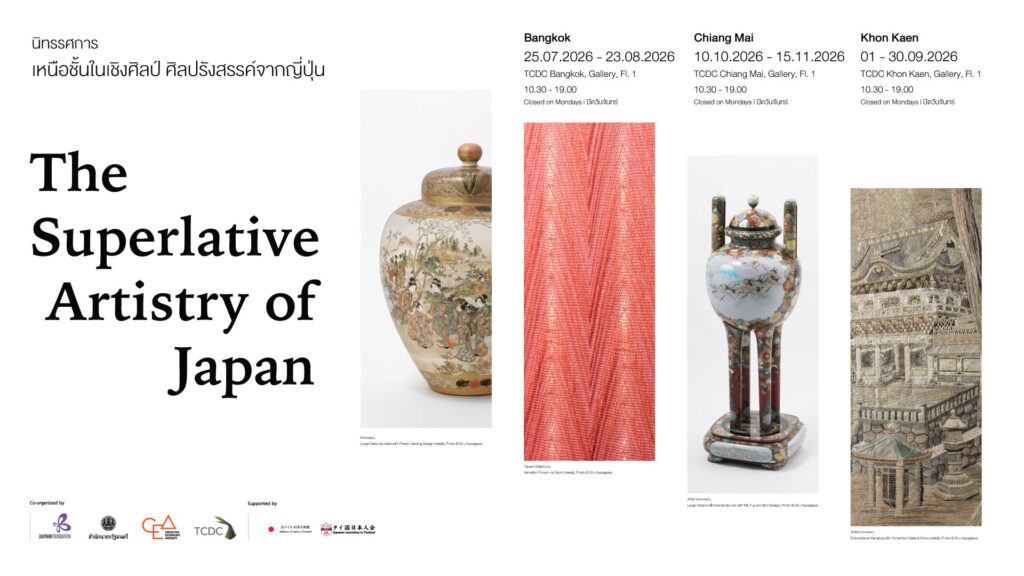
Traveling Exhibition
The Superlative Artistry of Japan
|
||||||||||||||||||||||||||||||||||||||||||||||||||||||||||||
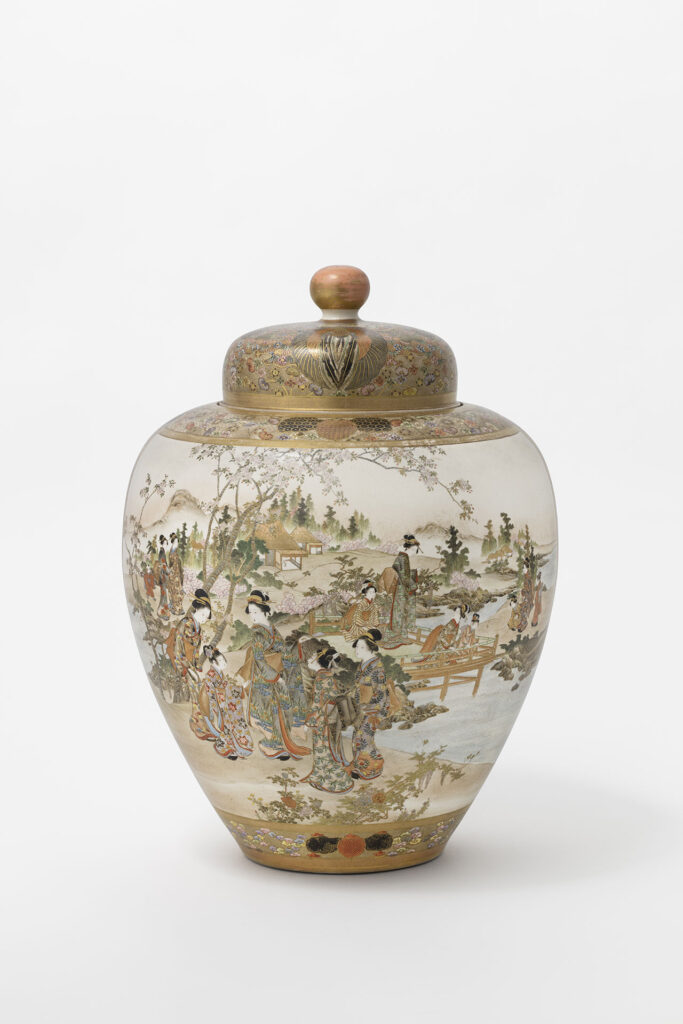
Meiji period (1868 – 1912)
Photo © Shu Nakagawa
The Japan Foundation, Bangkok, in collaboration with The Creative Economy Agency (CEA), were pleased to co-organize the traveling exhibition “The Superlative Artistry of Japan” during 25th July – 23rd August 2026 at TCDC Bangkok, 1st – 30th September 2026 at TCDC Khon Kaen, and 10th October -15th November 2026 at TCDC Chiang Mai. Supervised by Professor Yuji Yamashita, this exhibition presented a cohesive collection of works and materials from various different genres that each placed great emphasis on highly skilled techniques, ingenious expressions and concepts, and a high level of perfection that definitely astonish viewers.
This exhibition showcased elaborate Meiji era (1868 -1912) works that played a significant role in initiating the Japonism trend in the 19th century Europe as a starting point, followed by various contemporary works of superlative artistry which illustrates a strong commitment to craftmanship, including capsule toy figures and food samples.
Meiji era kogei was born in a new age during the Meiji Restoration by blending Japanese traditional styles and craftsmanship with Western elements under radical westernization policies. It gained international attention for their elaborate technique and became a vital industry for acquiring foreign currency before eventually declining due to sacrifices in quality over quantity to meet demands. Today, a number of works returning to Japan are reevaluated domestically, attracting significant attention and referred to as superlative artistry for their refined techniques.
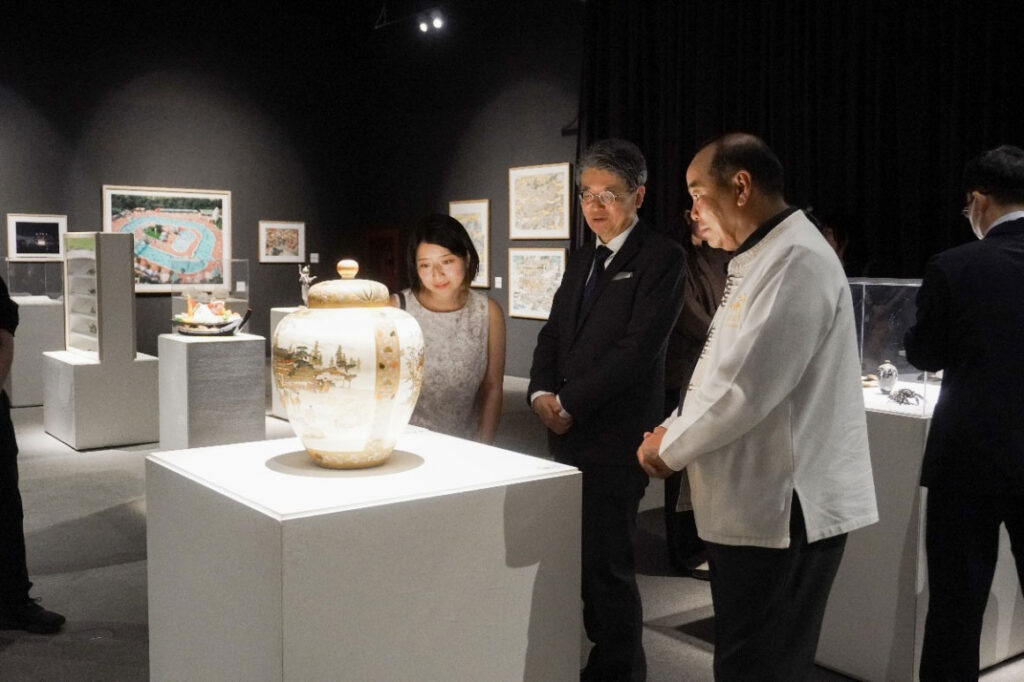
Visitors could view numerous excelled exemplars of superlative artistry works in this exhibition. To name a few of Meiji era kogei, the large satsuma vase with flower viewing design, presumably produced in Satsuma domain (currently in the Kagoshima Prefecture), had their decoration and patterns painted on ivory-colored vessels with enamel overglazing decorative technique and gold leaf to produce elaborately outstanding works. Also, the embroidered hanging with Yomeimon Gate at Nikko reveals the artistic expression of silk embroidery, a unique Meiji era textile, through the technique of producing and dyeing threads of different thickness as well as the skill of embroidering tens of thousands of threads by hand.
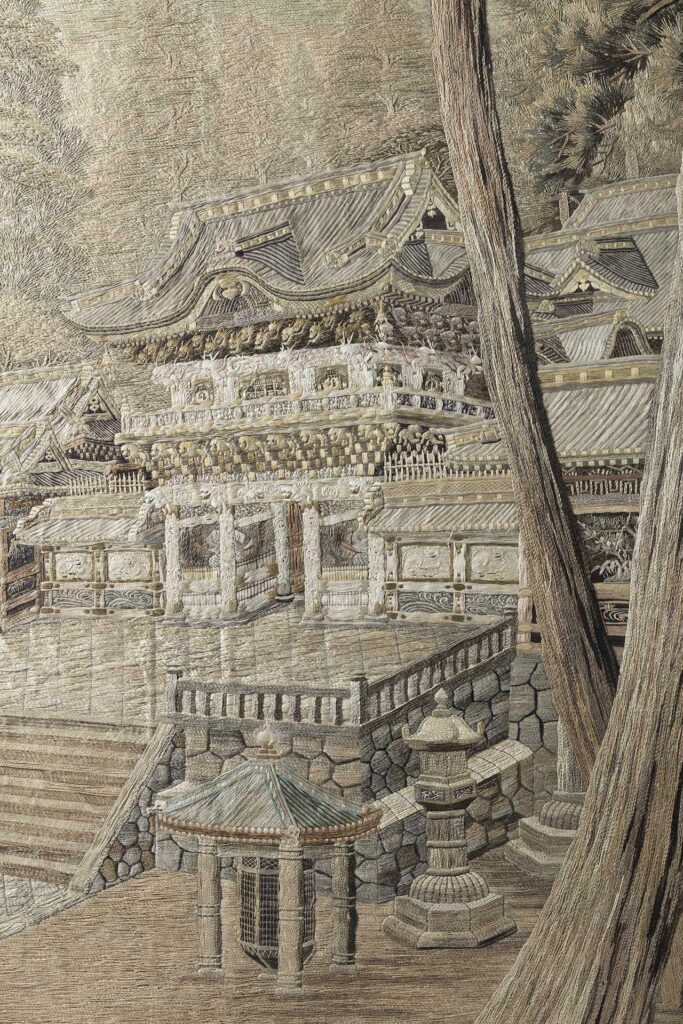
Embroidered Hanging with Yomeimon Gate at Nikko (detail) Meiji period (1868 – 1912)
Photo © Shu Nakagawa
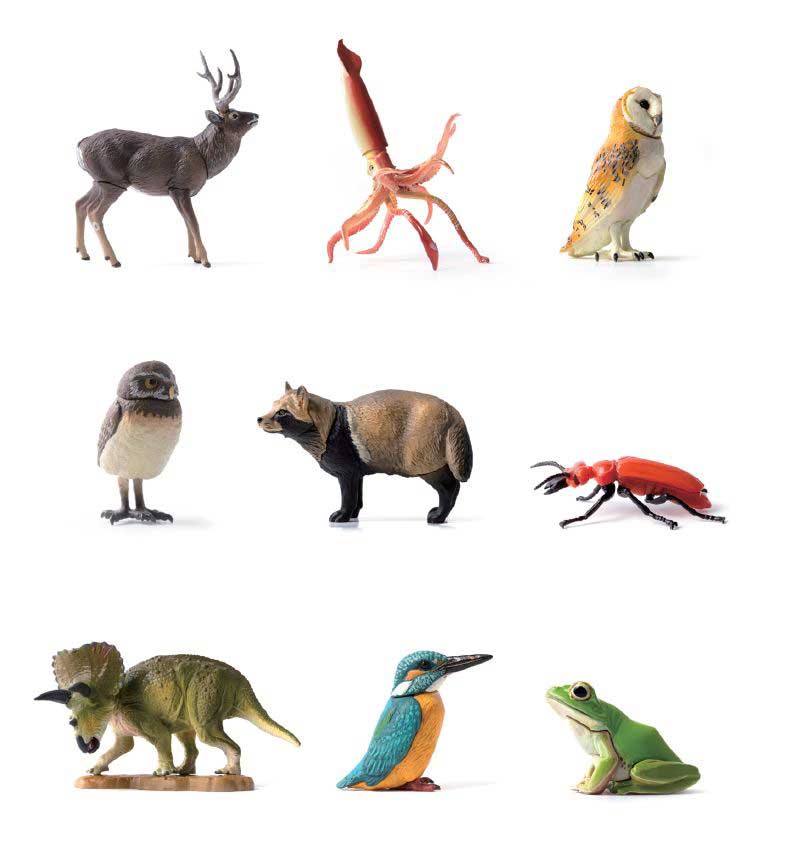
Capsule Q
2013 – 2017
Photo © Shu Nakagawa
Moreover, the makie lacquer incense box in the shape of a pair of clams validated the superlative skill of vessel decorative technique which applied gold powder and gold paint to create images and patterns on the black and red lacquered wood surfaces. Meanwhile, some collections of contemporary works that exuded supreme craftsmanship were also on display. Particularly, the Capsule Q Museum series of Japan’s animals, initiated and produced by KAIYODO, the prominent figure maker in Japan, inherited the candy toy concept in Japan and attested the ongoing insistence of uncompromised craftmanship of works. Although the figures seemed miniature in size and mass-produced, their quality and details were high in standard and not less magnificent and vibrant than the works of the Meiji era kogei.
Through this exhibition, we thus intended to introduce not only the outstanding techniques of each work but the immersion into the worlds of expression that even serve to surpass such skill and finesse. We hoped that our visitors will appreciate Japan’s creative culture that honors craftsmanship with meticulous attention to details and thorough devotion towards production processes.
Especially in Khon Kaen, we invited Mr. MIYAWAKI Shuichi, Advisor of KAIYODO to TCDC Khon Kaen to share his extensive knowledge and experiences to audiences during a special talk entitled “KAIYODO: Unwrapping the Art of Japanese Figures and the Revitalization.” Various local creators, figure designers and students were considerably inspired by his talk. Not only did they gain insights into KAIYODO’s journey to success, but they were also inspired by its philosophy and strategies that can be adapted to the Thai contexts. After the special talk, KAIYODO and local figure creators, mainly from Khon Kaen and nearby provinces, joined a networking session to deepen their exchange of ideas and best practices, creating a valuable platform for mutual learning.
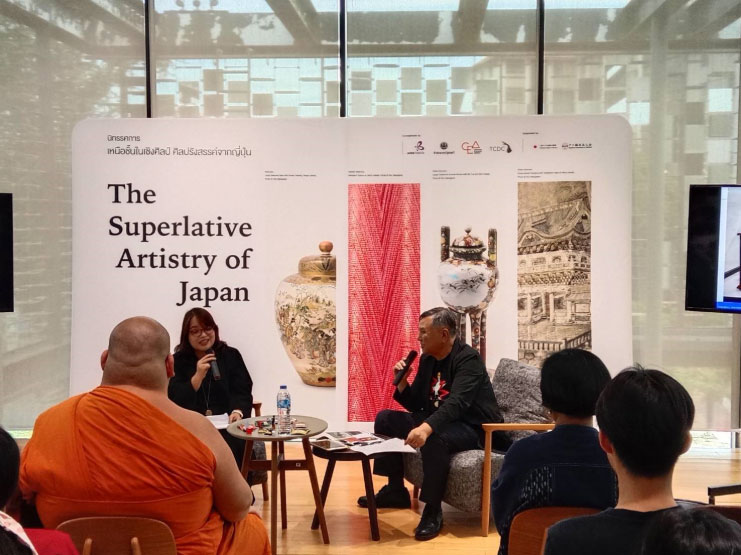
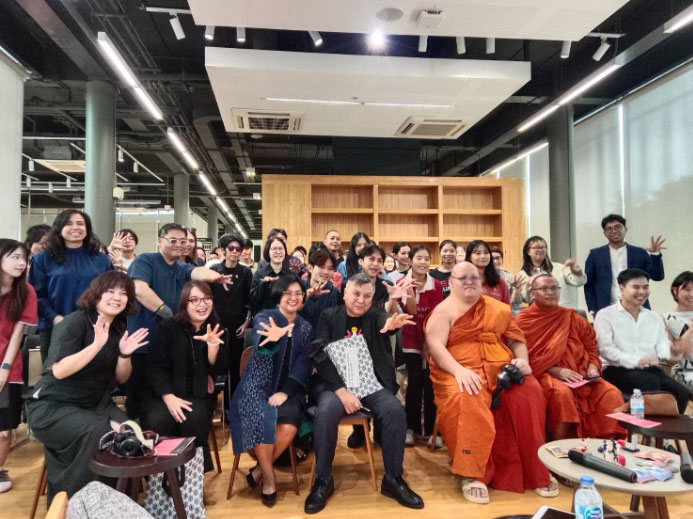
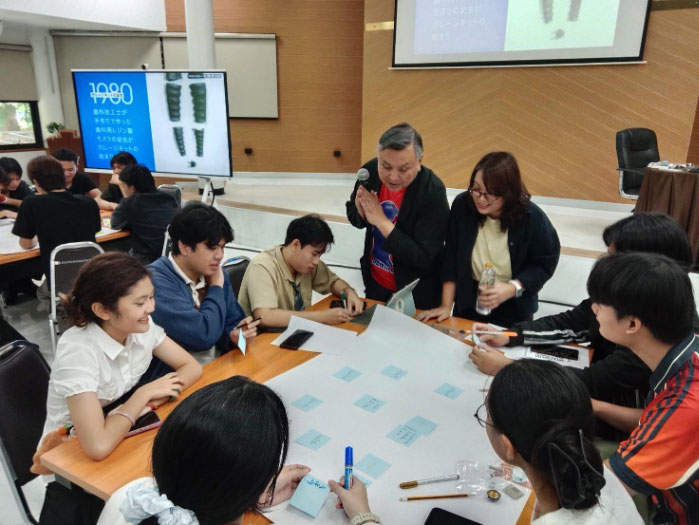
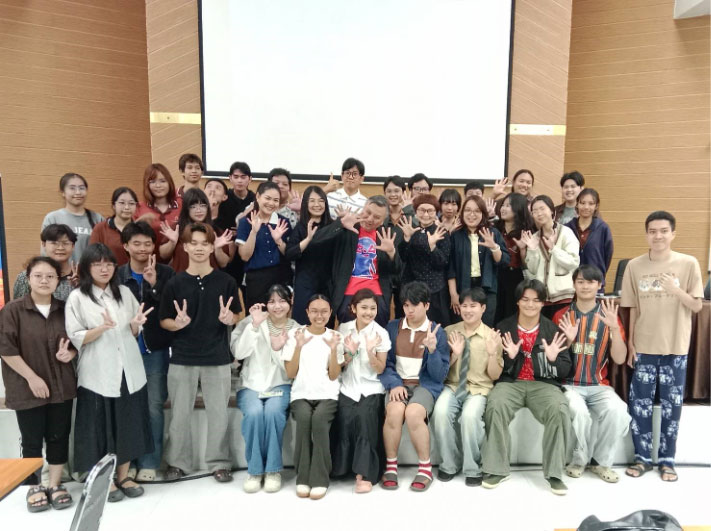
Moreover, KAIYODO conducted a lecture and workshop for students from the Faculty of Architecture and the Faculty of Fine and Applied Arts, Khon Kaen University, providing them with valuable learning opportunities and industry insights relevant to their academic pursuits and future career paths. Our special thanks went to CEA Khon Kaen, Assistant Professor Watchara Suraya from the Faculty of Education, Khon Kaen University, the Faculty of Architecture as well as the Faculty of Fine and Applied Arts, Khon Kaen University.
About the Creative Economy Agency (Public Organization)
The Creative Economy Agency (Public Organization) or CEA is a government agency under the supervision of the Office of the Prime Minister. Its mission is to drive Thailand’s creative economy by supporting 15 creative industries through the development of creative talent, businesses, and cities. CEA also promotes the application of creativity in the production sector to enhance the value of products and services, thereby strengthening the competitiveness of both businesses and the nation.
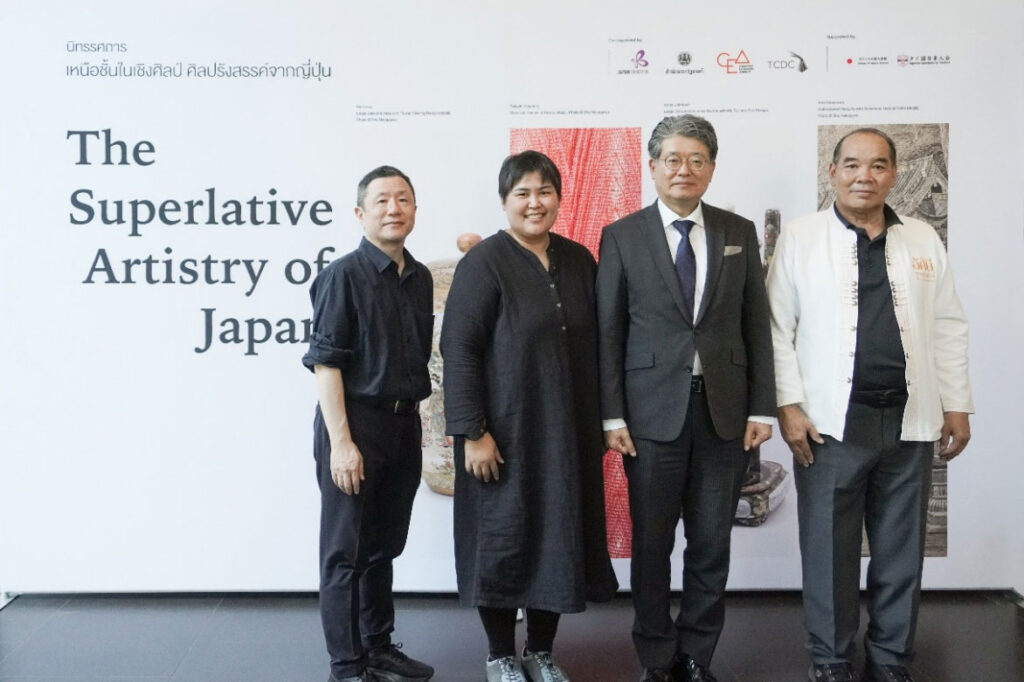
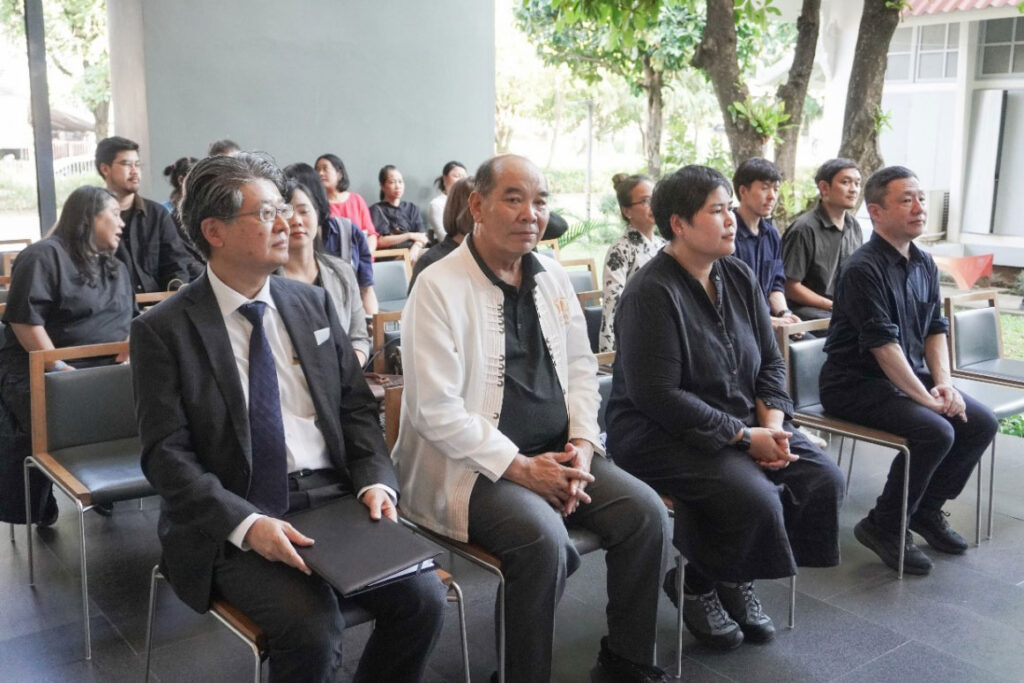
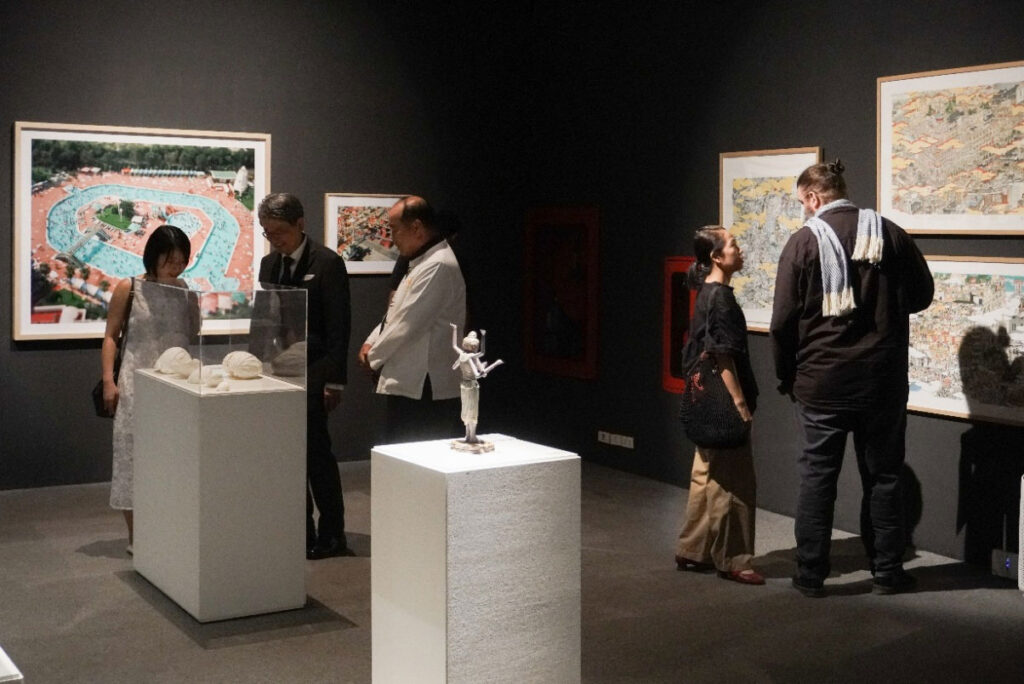
Photo of Opening at TCDC Bangkok
23 July 2026 @ Gallery, 1st Floor, TCDC Bangkok
Photo courtesy of CEA Bangkok
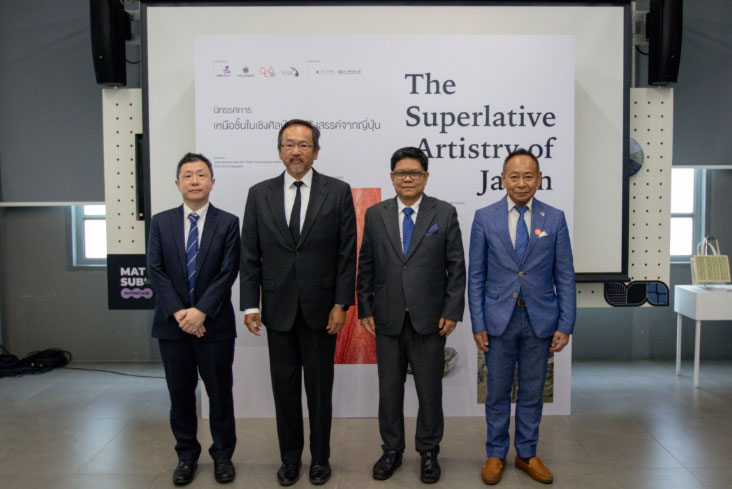
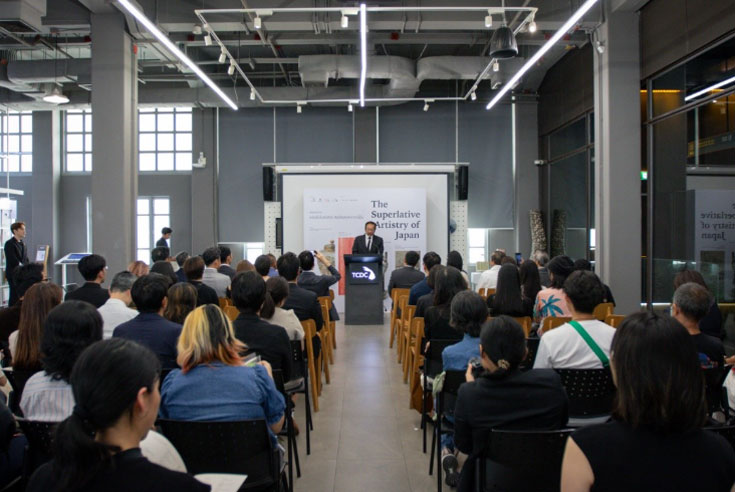
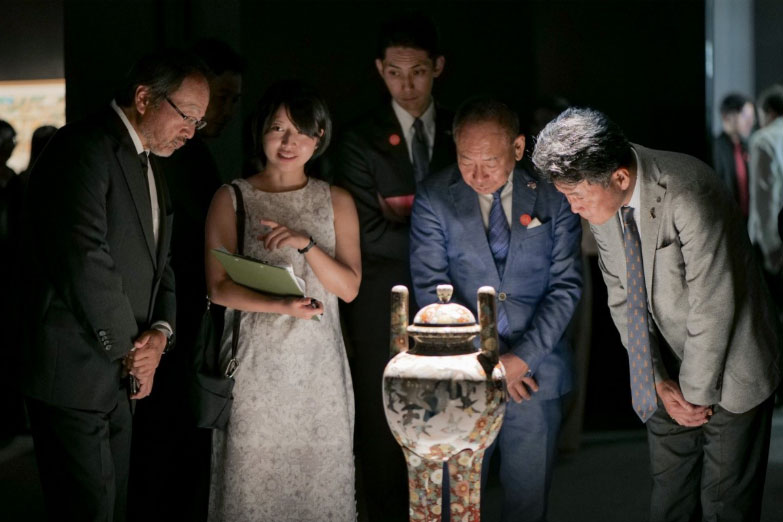
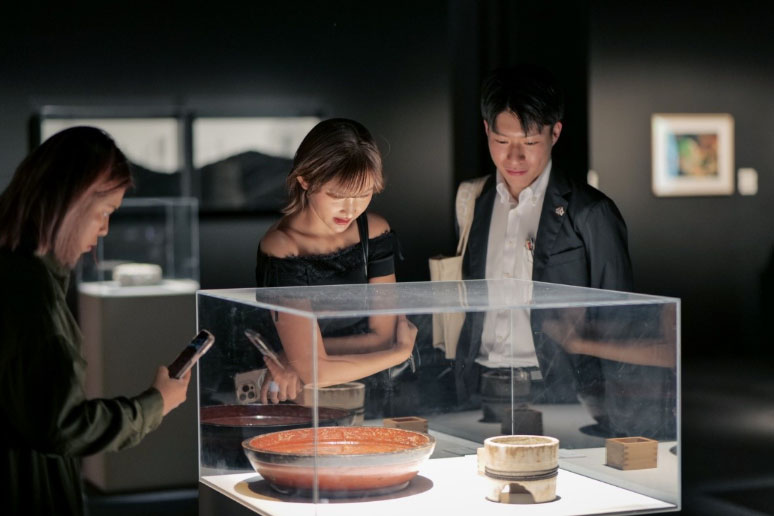
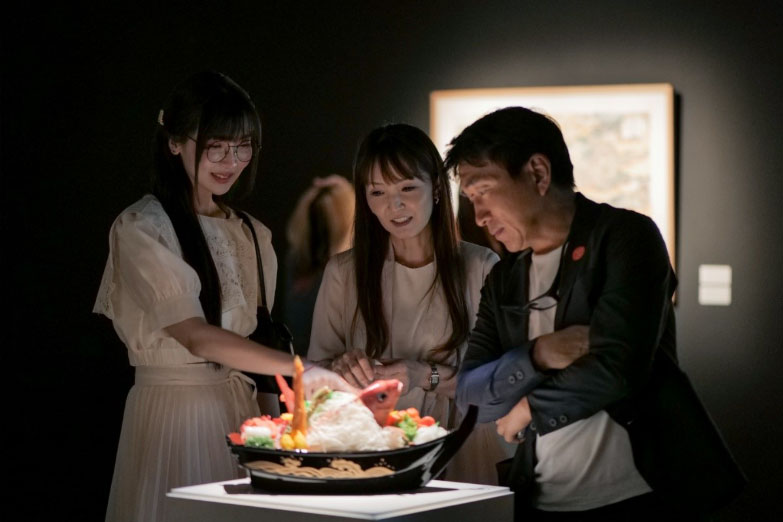
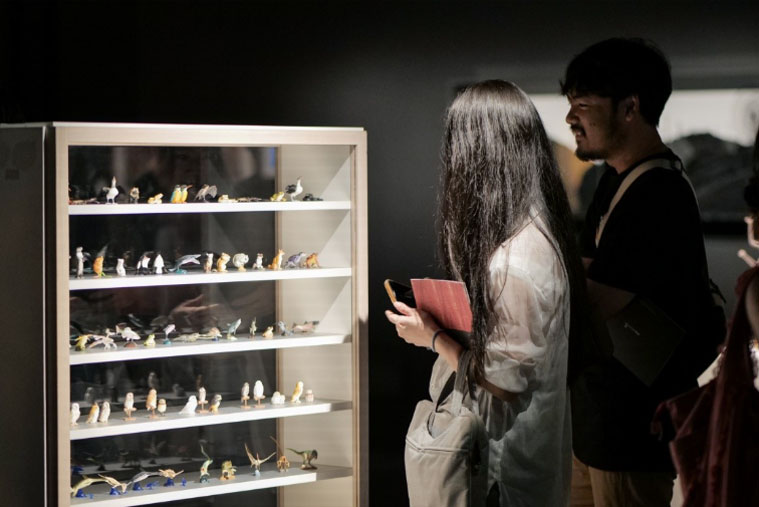
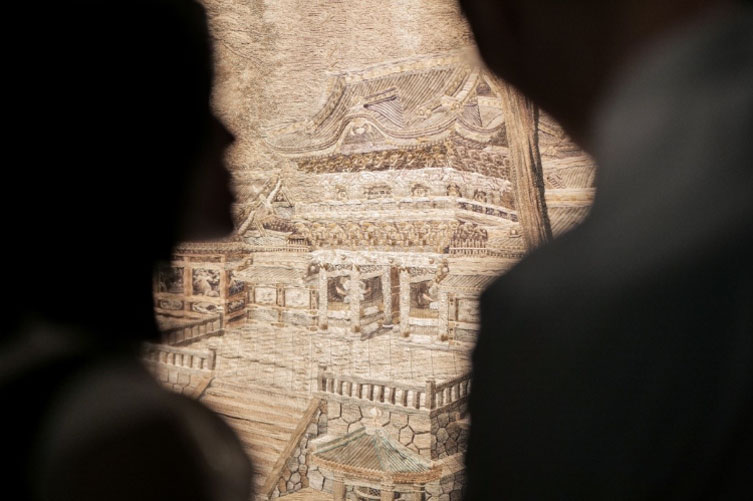
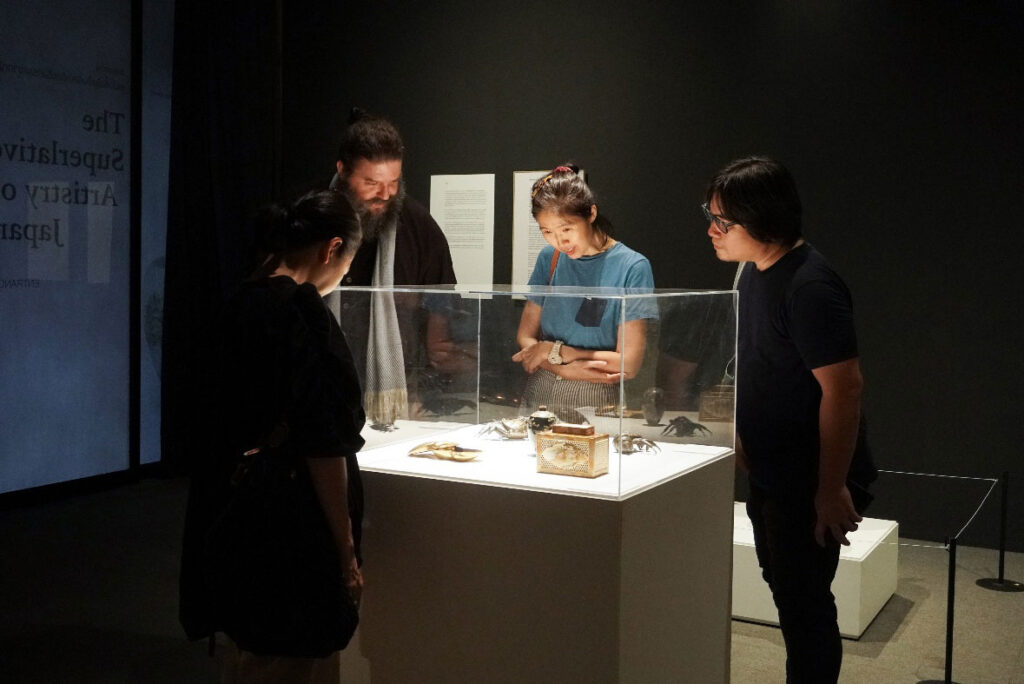
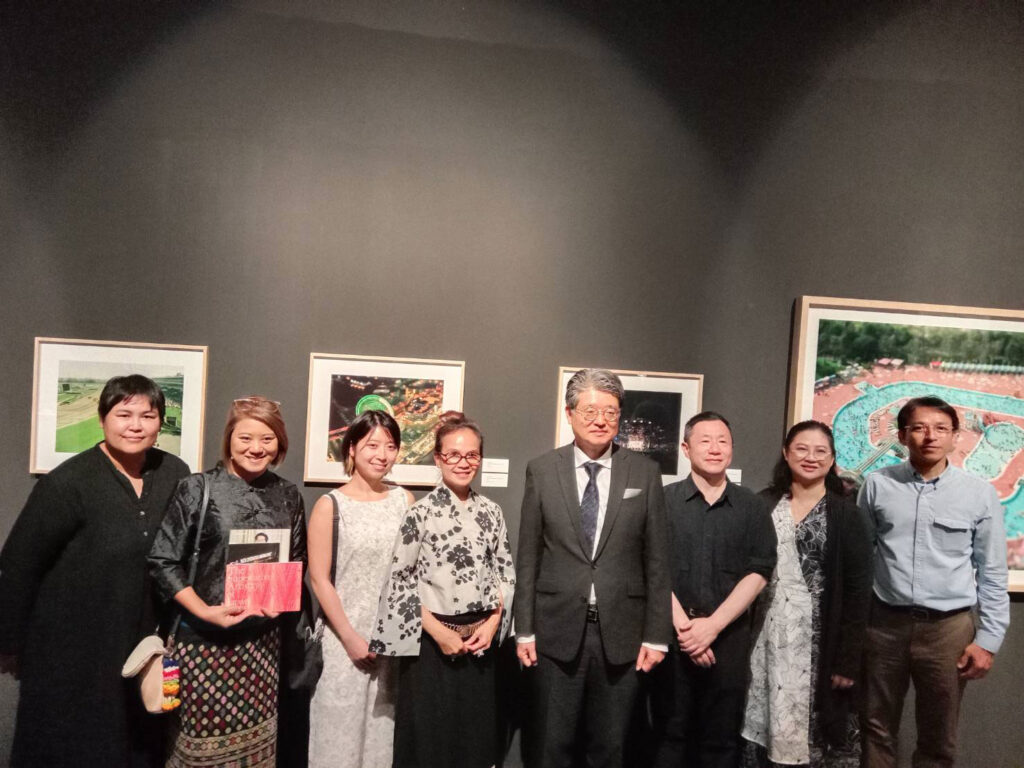
Photo of Opening events with KAIYODO on 1 September 2026
at Gallery, 1st Floor TCDC Khon Kaen
Photo courtesy of CEA Khon Kaen
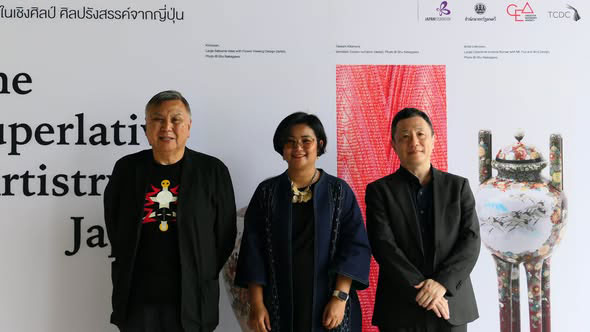
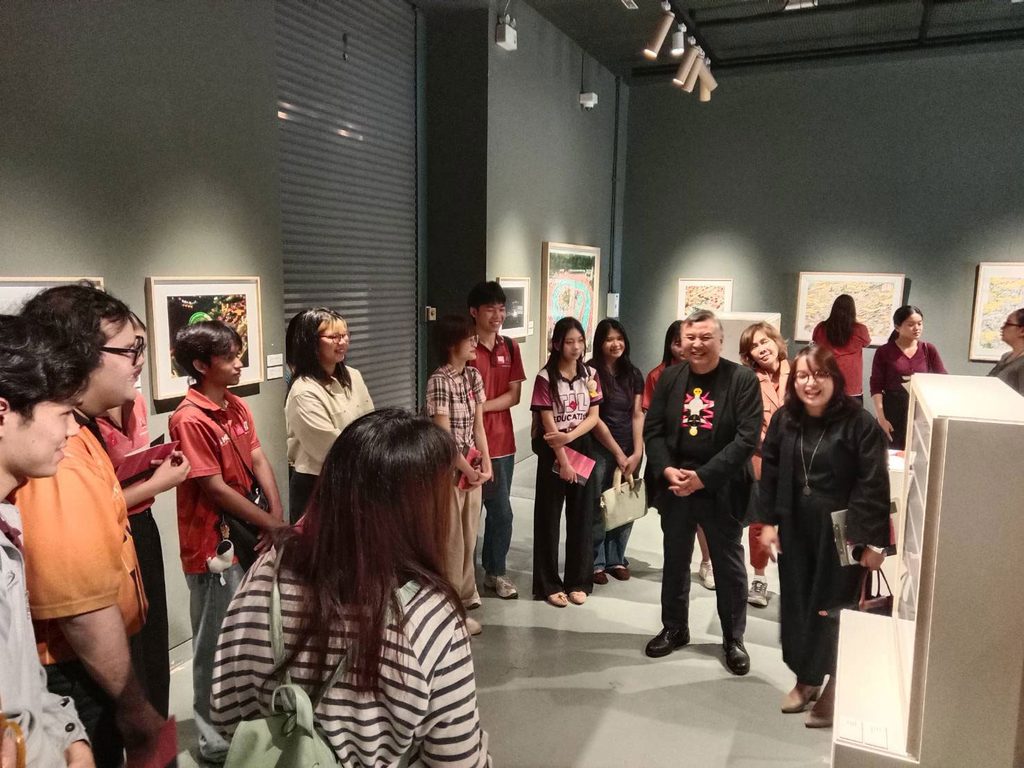
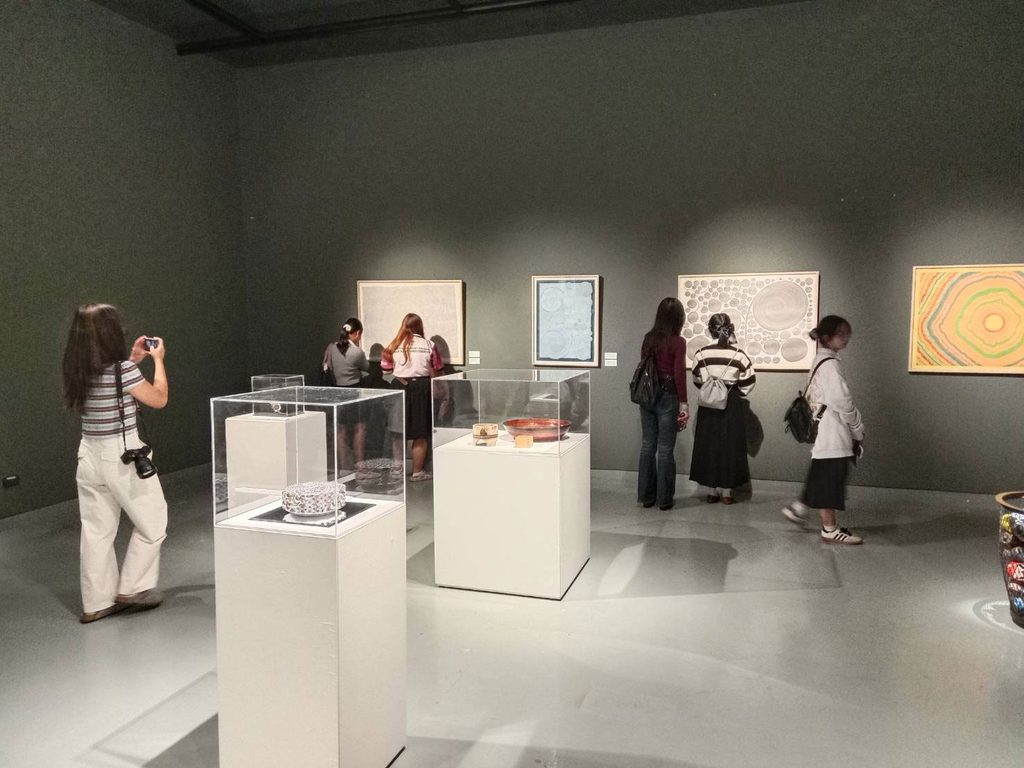
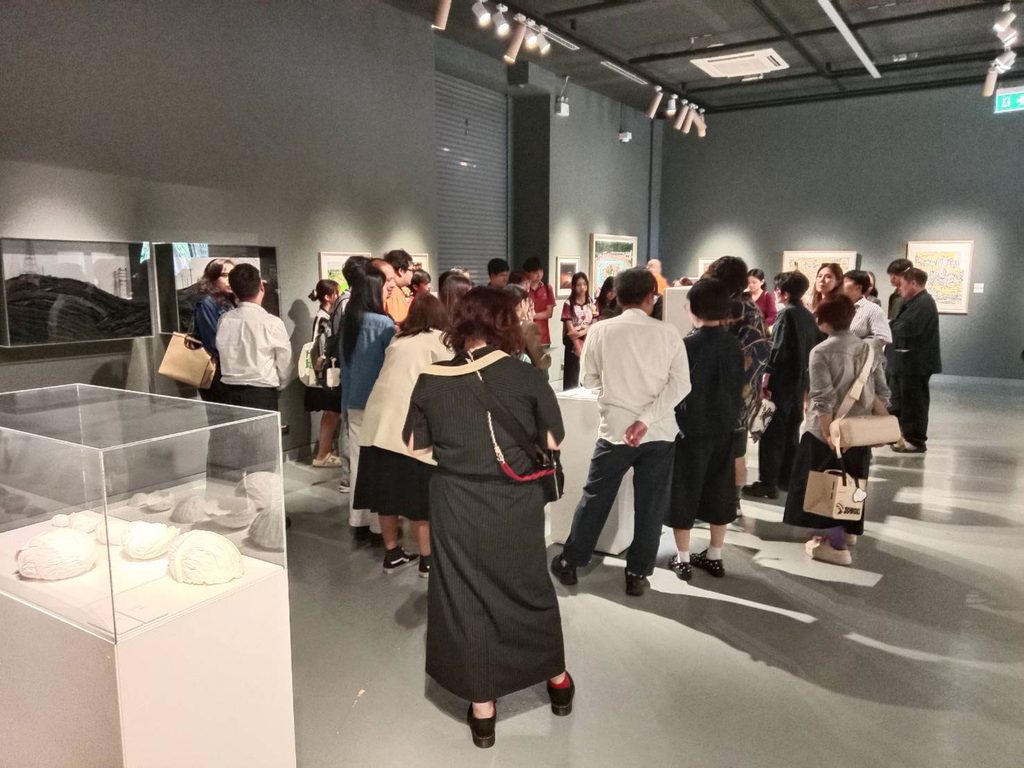
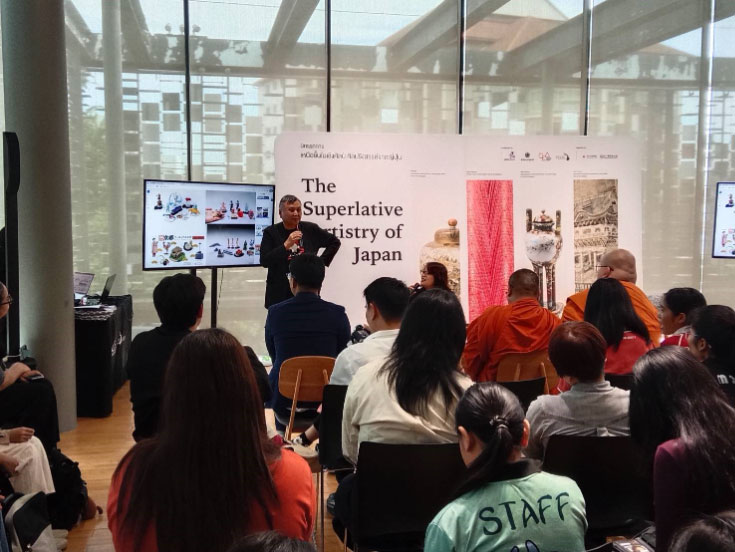
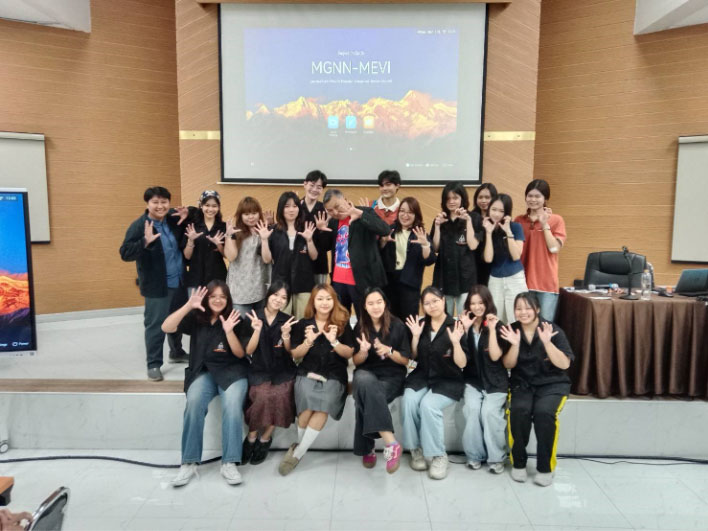
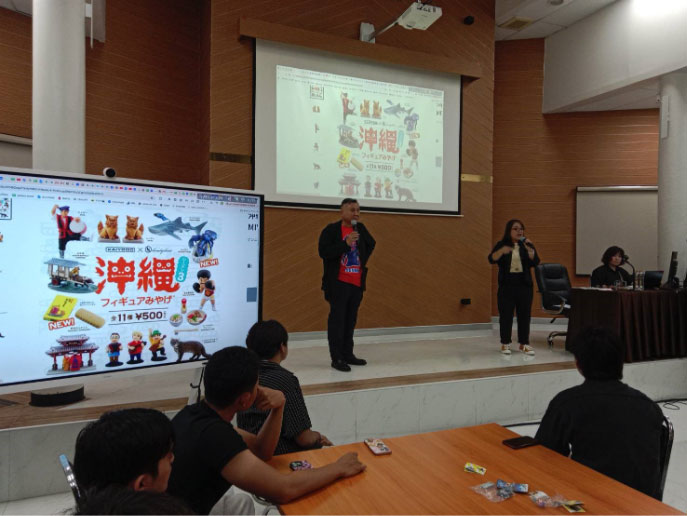
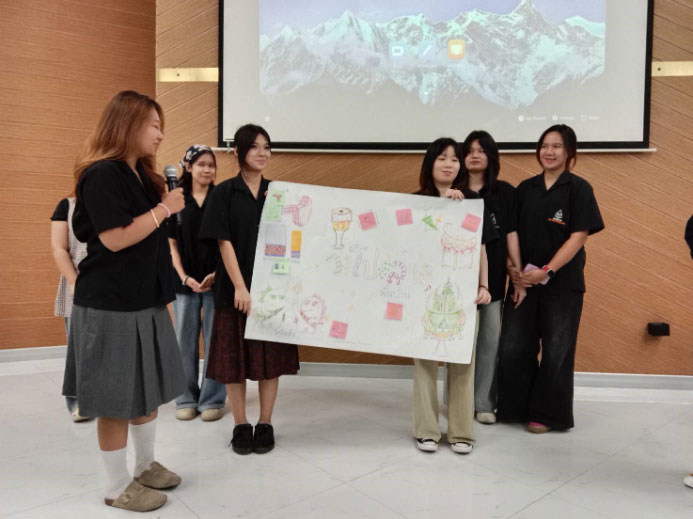
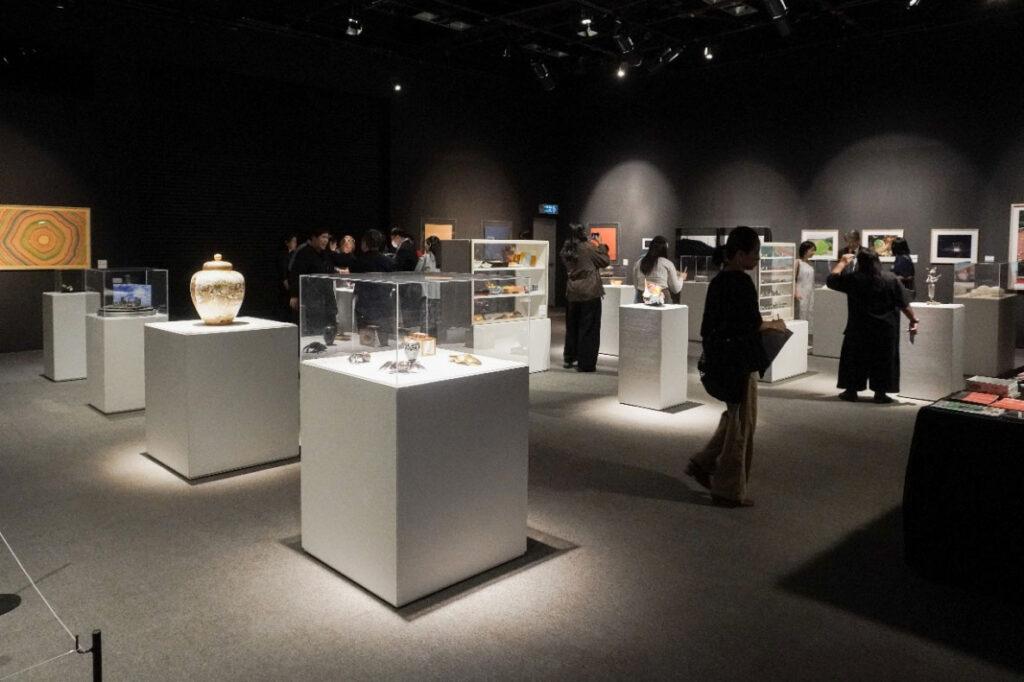
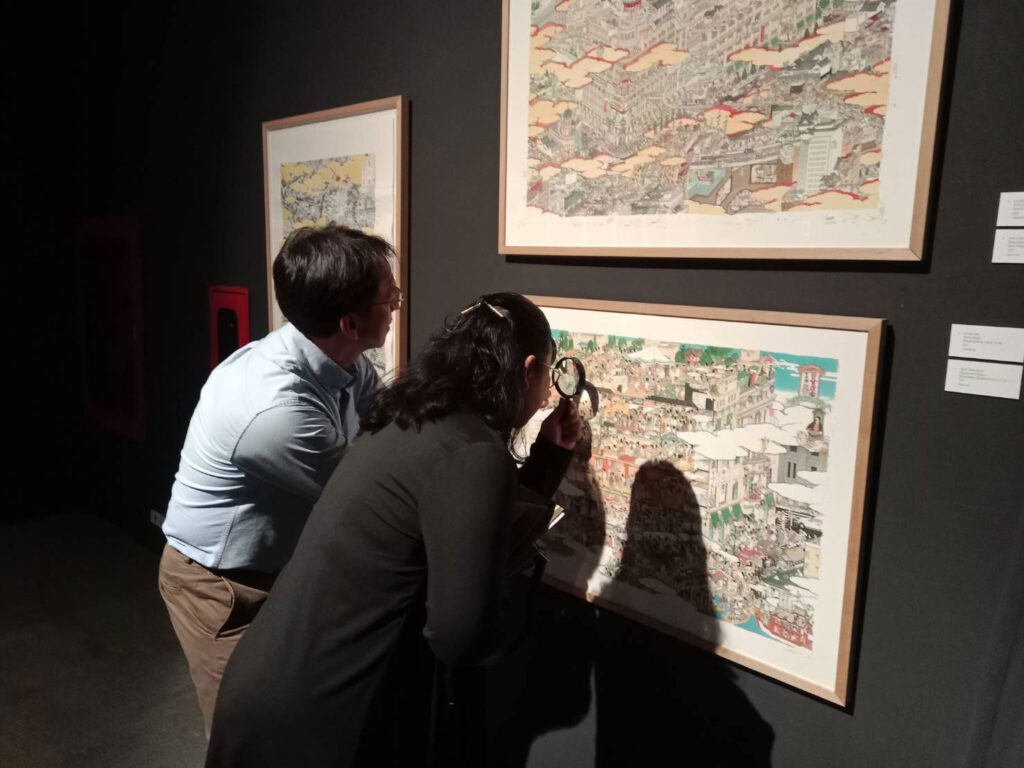
Photo of Opening at TCDC Chiang Mai
9 October 2026 @ Gallery, 1st Floor, TCDC Chiang Mai
Photo courtesy of CEA Chiang Mai
Co-organized by:

Supported by:
